


GEO Is the New SEO: Why Press Coverage Matters More Than Ever in AI Search
For years, businesses have been told to focus on SEO. Optimize your website, choose the right keywords, publish useful content and make it easy for Google to find you.
That advice still holds. But the way people search for information, products and professional expertise is changing.
Today, consumers, editors, designers, homeowners and industry professionals are increasingly turning to AI-powered search and conversational platforms to find companies, products and experts. Rather than typing a few keywords into Google and working through pages of results, they’re asking direct questions and expecting informed recommendations.
Who are the leading interior designers in Toronto? Which kitchen brands do designers recommend? Who specializes in luxury residential interiors? Where can I find the best Canadian flooring suppliers?
These questions point to a shift in how businesses are discovered online. And they bring a new term into the conversation: GEO, or Generative Engine Optimization.
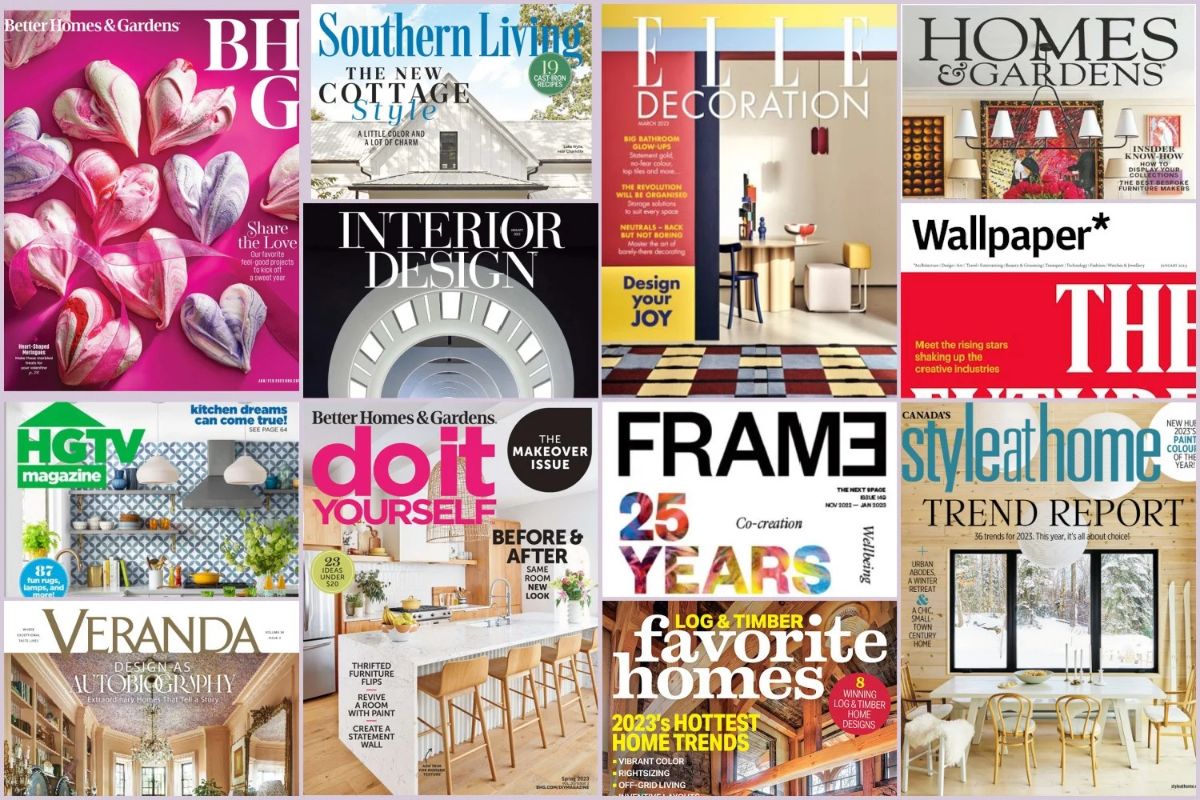
For interior designers, architects and home brands, one of the most valuable elements of this evolving search landscape is something the PR industry has understood for decades: credible third-party editorial coverage.
What Is GEO?
Generative Engine Optimization (GEO) is the practice of strengthening a brand’s digital presence so AI-powered search tools can better understand its expertise, recognize its relevance and potentially reference it in generated answers.
Traditional SEO focuses on helping search engines discover and rank website content. GEO places greater emphasis on the broader body of information that helps AI systems understand who a business is, what it does, what it is known for and why it is credible.
Your website might establish that you’re an interior designer based in Toronto. But when your name, projects and areas of expertise are also discussed in reputable publications, interviews and industry sources, you build a more substantial digital footprint.
The distinction is important. Your website tells your story. Independent media coverage helps validate it.
GEO does not replace SEO, nor does editorial coverage guarantee that an AI platform will recommend your business. Both remain part of a wider visibility strategy, with PR helping to establish the external references that support your reputation.
PR and AI Search
A feature in a respected publication has always offered value through brand awareness, credibility and exposure to new audiences. Its potential value now extends beyond the people who read it when it first appears.
Editorial coverage creates an independent reference to your business, your work and your expertise. It can also associate your name with particular subjects, locations, projects and specialties.
For an interior designer, those associations might include:
- Luxury residential design
- Toronto interior design
- Kitchen and bathroom renovations
- Heritage home restoration
- Custom cabinetry and architectural millwork
- Sustainable materials
- Colour and material expertise
- Entertaining spaces
- New-build residences
When these areas of expertise are consistently reflected across credible editorial sources, they help establish a clearer picture of what you do and where your knowledge lies.
AI-powered search systems can draw on information from a range of publicly available sources, depending on the platform and query. These may include business websites, editorial publications, interviews, industry resources, directories and other online references.
This is why your earned media footprint deserves attention alongside your website.
A designer with strong SEO and a well-developed body of independent editorial coverage may have more supporting information across the web than a competitor whose digital presence relies almost entirely on their own website. That does not guarantee greater AI visibility, but it gives search systems more sources through which to understand and contextualize the designer’s expertise.
For brands working to strengthen their online presence, this is where public relations and search strategy increasingly intersect.
“Found” vs. Recommended
What’s the different between being found and being recommended? Traditional search helps people find websites containing information relevant to a query. AI-powered search increasingly presents information in the form of synthesized answers, summaries and recommendations.
Being on the first page of search results is valuable. Being recognized as a credible source for a particular subject is another opportunity.
Consider someone asking an AI platform to recommend Toronto interior designers known for sophisticated residential interiors.
A well-optimized website can help a designer appear in relevant search results. But the broader information available about that designer also matters. Project features, expert interviews and articles discussing their approach can help establish a more complete picture of their work and areas of specialization.
The goal is to make it easier for search systems to understand your positioning and identify your business as relevant when someone asks a question related to your expertise.
That takes more than keywords. It calls for clear positioning, consistent information, demonstrated expertise and credible supporting evidence.
PR Supports GEO and SEO
Good PR has always been about putting the right story in front of the right audience. Today, those stories can also contribute to a brand’s long-term digital authority.
A well-placed media feature can communicate who you are, what you specialize in, where you work, what distinguishes your approach and which projects demonstrate your expertise.
Crucially, it does so through an independent source.
There is a difference between a company describing itself as a leader in luxury residential design and a respected publication interviewing its founder about the subject, showcasing its work and drawing on its expertise.
Both contribute to a brand’s online presence, but editorial coverage offers third-party recognition that self-published marketing cannot provide on its own.
For interior designers, architects and home brands, PR can help establish these connections through project features, expert commentary, interviews, contributed articles, profiles and trend stories. Each opportunity offers a different way to introduce your expertise to an audience while adding relevant information to your broader digital footprint.
The objective is not simply to generate more media mentions. It is to build recognition around the subjects you want to be known for.
Your PR Strategy
Your PR strategy should be built around expertise. Not all media coverage serves the same purpose. A successful PR strategy should be guided by how you want your business to be recognized, rather than by the number of placements you can accumulate.
What do you want to be known for?
If you want to establish your studio as a kitchen design specialist, seek opportunities to discuss kitchen planning, cabinetry, materials, functionality and emerging design considerations.
If luxury bathrooms are a core part of your practice, look for editorial opportunities that explore bathroom design, fixtures, finishes, lighting and renovation decisions.
If heritage renovations are your specialty, your media strategy might include stories about restoration, architectural details, preservation and the challenges of updating older homes for modern living.
Over time, individual stories can reinforce one another, creating a more consistent picture of your expertise.
One article is a placement. A sustained body of relevant editorial coverage helps establish your positioning.
This approach also makes it easier to identify the right media opportunities. Rather than pursuing every request or trend, you can focus on stories that align with your business goals, demonstrate your knowledge and reach the audiences you want to connect with.
Becoming an Expert
Being quoted as an “expert” has tangible value, and a full project feature is not the only way to build editorial credibility.
A designer interviewed for an article about bathroom trends, kitchen planning, colour, lighting, entertaining or common renovation mistakes has an opportunity to share professional knowledge with a new audience. The resulting article may also create another credible online reference to the designer and their specialty.
This is one reason expert commentary deserves a place in a modern PR strategy.
For design professionals, useful opportunities can include:
- Expert commentary: Providing informed answers to journalists’ questions about design, renovation and materials.
- Interviews: Discussing your approach, experience and perspective on subjects relevant to your industry.
- Project features: Showcasing completed work and explaining the decisions behind it.
- Contributed articles: Sharing original advice and professional insights with a publication’s readership.
- Trend stories: Offering a knowledgeable perspective on changing tastes, materials and design practices.
- Profiles: Giving audiences a closer look at your business, background and areas of expertise.
These opportunities serve different editorial purposes, but each can help connect your name with relevant subjects and audiences.
The objective is not visibility for its own sake. It is to be visible in the right conversations.
SEO, GEO and PR
SEO remains an essential part of digital visibility. Your website still needs a clear structure, useful content, relevant terminology, accurate business information and sound technical foundations.
GEO does not make those fundamentals less important. Instead, it expands the conversation to include how your expertise is represented across the wider digital landscape.
Think of the relationship this way:
SEO helps people and search engines discover your website.
PR builds earned media coverage, awareness and third-party credibility.
GEO focuses on making your broader digital presence easier for AI systems to understand and potentially reference.
These disciplines support different aspects of visibility, and the strongest strategy brings them together.
Your website provides a central source of information about your business. PR helps extend that information into independent publications and relevant industry conversations. Consistent descriptions of your specialties, projects and professional experience can help create a more coherent online presence.
No single article, backlink or media mention guarantees a recommendation from an AI platform. Search systems use different methods to retrieve and present information, and their results can change. The opportunity lies in building a strong, consistent foundation that supports discoverability across channels.
7 Tips for AI Search
If AI-powered search is becoming part of how people research designers, products and businesses, your digital presence deserves the same strategic attention as your website.
Here are seven practical steps to consider.
1. Define What You Want to Be Known For
Identify the areas of expertise most closely tied to your business and growth goals. Rather than trying to cover every subject, establish a few clear specialties and reinforce them through your website, PR and other communications.
2. Build a Library of Expert Commentary
Think about the subjects you can speak about with authority. These might include design trends, renovation planning, material selection, project challenges or the details that distinguish your approach.
Developing these topics in advance makes it easier to respond to timely media requests and pitch relevant story ideas.
3. Pursue Credible Editorial Coverage
Focus on publications and platforms that are relevant to your industry, expertise and intended audience. A well-matched feature or expert quote can be more useful than a high volume of mentions that have little connection to your positioning.
Consider where your potential clients, collaborators and industry peers turn for information, and build your media strategy accordingly.
4. Share Original Points of View
AI-powered search can draw on a vast amount of online content. Generic statements about design offer little reason for an audience to remember your business.
Share informed opinions, explain the thinking behind your work and offer practical insights drawn from your experience. A distinctive perspective gives journalists a stronger reason to seek your input and gives readers something useful to take away.
5. Continue Showcasing Real Projects
Strong photography and detailed project stories provide tangible evidence of your expertise. Explain the brief, the challenges, the materials selected and the decisions that shaped the finished space.
Project content can support your website and also provide the foundation for media pitches, interviews and editorial features.
6. Keep Your Digital Information Consistent
Your website, social profiles, media biography and published coverage should communicate a coherent picture of your business.
Make sure your business name, location, specialties and professional descriptions are accurate and up to date. Clear, consistent information makes it easier for people and search systems to understand who you are and what you offer.
7. Think Long Term
GEO is not about publishing one article and expecting an immediate result. Building recognition takes time, and AI visibility can vary across platforms and queries.
A sustained approach to PR, useful website content and consistent brand positioning helps develop a credible body of information around your business. The value of that work extends beyond any single search result.
The Measure of PR Value
The value of press coverage has never been limited to how many people read an article on the day it was published.
A strong editorial feature can continue working long after publication. It can be discovered through search, shared by others, referenced by writers or introduce a designer to a potential client months later. It can also contribute to the wider body of publicly available information that AI systems may use to understand a business or individual.
That makes earned media an important consideration in a changing search landscape.
For interior designers, architects and home brands, PR offers more than an opportunity to generate awareness. It can help establish expertise, reinforce a clear market position and build a stronger digital footprint over time.
The future of visibility is not simply about ranking. It is also about being recognized as a credible answer when someone is looking for the expertise you offer.
GEO may be a newer conversation in search, but the fundamentals of credibility have not changed: expertise, relevance, authority and trusted third-party recognition.
At Eventful PR, we help interior designers, architects and home brands build visibility through strategic public relations, editorial storytelling, brand collaborations and events. As search continues to evolve, we believe the brands that invest in communicating their expertise and building credible industry recognition will be better positioned for how people, and AI-powered platforms, discover them.
Want to strengthen your brand’s visibility? Connect with Eventful PR to learn how strategic PR can help your business stand out.


